Powerful Learning First, Technology Second

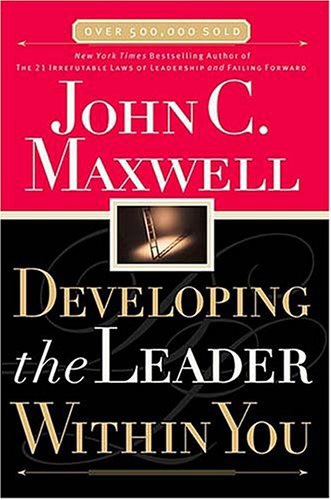
This is the title of chapter 9 in George Couros’s book The Innovator’s Mindset. Many people feel that technology is the answer. The answer to inequity. The answer to reopening schools. I disagree. Technology is a tool. How we use technology is part of the answer.

“Giving kids iPads or allowing them to film homework assignments on YouTube prepares them for the high-technology economy about as much as playing with Hot Wheels would prepare them to thrive as auto mechanics. “ – Cal Newport, Deep Work

We have to get away from using iPads, Chromebooks, laptops, etc. as expensive replacements for the worksheets many teachers rely on. This is where the powerful learning comes in. We, as educators, have to design experiences that allow students to think critically, collaborate, and create. Even more powerful than that, let the students design the learning experiences.

“And yet educators at schools where personalized learning is viewed as an overarching philosophy, rather than a digital panacea, say that adapting to the pandemic has been relatively painless, and that students are continuing to progress in their studies. The key difference between their approach and the popular narrative around personalized learning is that these educators have built their schools around the idea of student agency.” – Ainsley Harris, “Learning Gets Personal,” Fast Company, September 2020.

We have no choice but to give students more freedom in their learning. Students will be home either every day, three times per week, or every other day for at least the near future. We cannot assume that how we engaged students before will work now. In many cases what we were doing before wasn’t working any way.

We need to leverage the technology to make education better. We have to teach students to be creators. For that to happen our teachers need to be creators. It’s not enough that they move their PowerPoints to Google and provide a Form at the end of the lesson as an assessment. We need to fundamentally rethink what and how we educate our students.

We have an opportunity to remake education, so that our students now and in the future come out of this stronger, not weaker than before. Powerful Learning before technology.

Empowerment

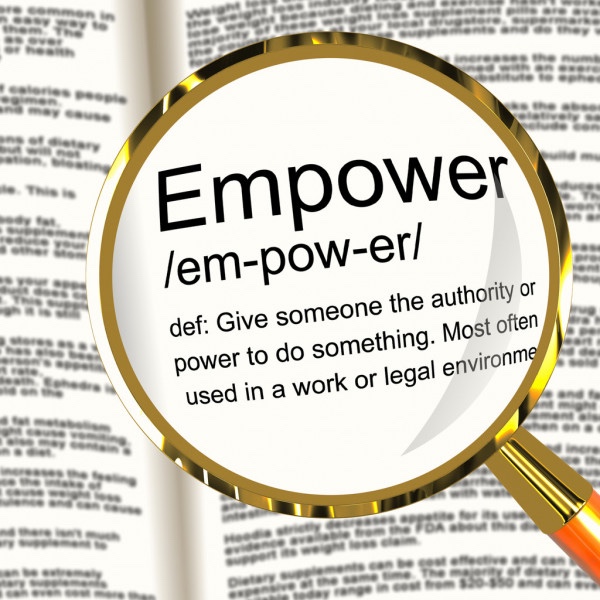
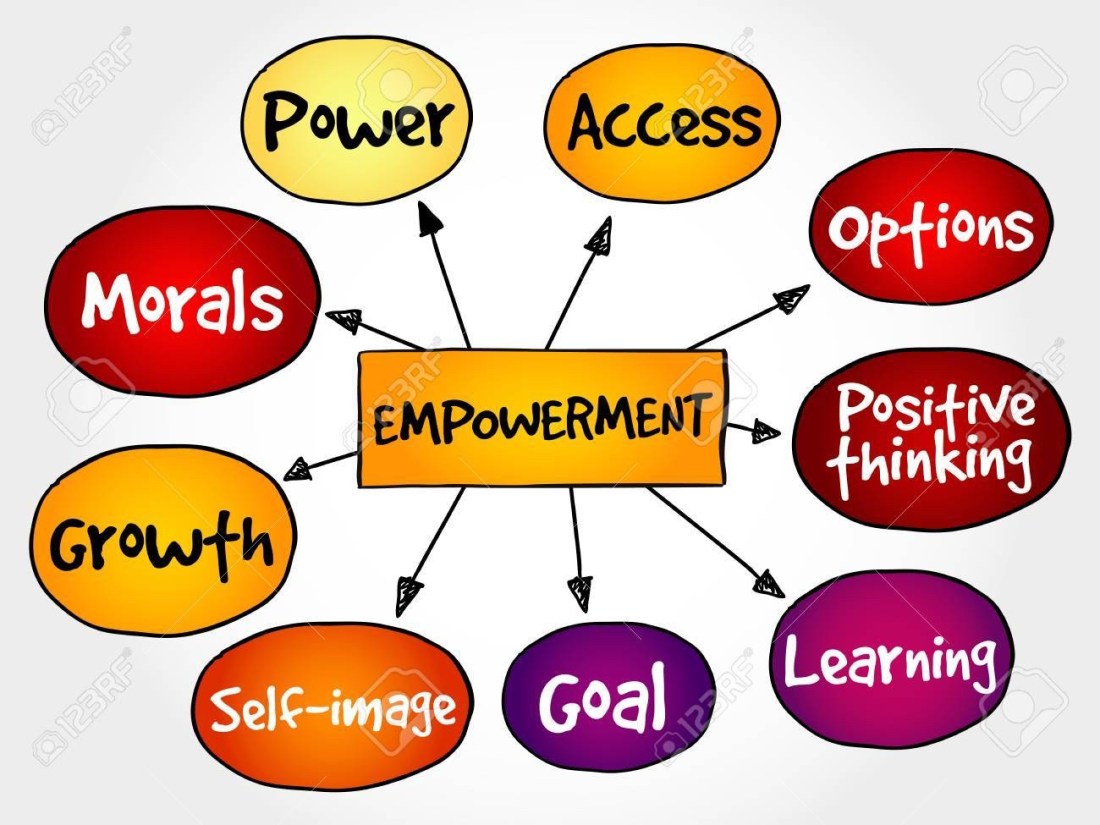
All three of the ideas I have spoken about in my last three blog posts, passion, inquiry, and understanding, have brought me to this final idea of empowerment. Wouldn’t now be the right time to empower teachers and students to remake education into what it could and should be?

You might say: Now? The right time? With all the uncertainty? Well there never is a right time. We always wait until the right time, but it never comes. We push things off because it’s not the right time, and then guess what nothing ever happens. But isn’t now as good a time as any?

Uncertainty is the rule, not the exception. It’s how we respond to the uncertainty that matters. That is a major tenet of Stoicism. We need to make teachers and students feel safe in taking risks in adjusting their teaching and learning in response to this uncertainty.

Whether we are in schools or in remote learning, the only people who really know what is going on in any classroom are the teacher and the students. Shouldn’t we empower them to make the decisions that are best for them?

We must allow them to use their passions to make classrooms and learning relevant. Empower them to look at curriculum through their lens and make adjustments that personalize the learning to them.

“Working hard for something we don’t care about is called stress; working hard for something we love is called passion.” – Simon Sinek via The Innovator’s Mindset by George Couros

We also must encourage our teachers and students to question everything. Powerful questions are what drives innovation in any industry. Teachers and students should be asking questions that further their own teaching and learning. They are at the ground level of what can be done to make our classrooms, either virtual or in person, better.

“You don’t have to hold a position of authority to ask a powerful question.” – Polly Le Barre via A More Beautiful Question by Warren Berger

If teachers and students are encouraged to us their passions and ask their own questions, they will develop a deeper understanding of whatever they are studying. They can use that understanding to push education forward toward what we envision: equity in opportunities for all children. They will also be happier in the process. What will you do this year to empower teachers and students to make education better?

“I encourage you to commit to empowering the people you serve to be part of the process of finding and solving problems.” – George Couros, The Innovator’s Mindset

Understanding

Inquiry and understanding go hand in hand. You can’t truly understand something without asking questions. Unfortunately in our day to day lives we are made to believe that we have to have all the answers. Or do we?

We have created an illusion in our society that you are a expert by having all the answers. Having all the answers limits progress. If you have all the answers then you aren’t asking the right questions.

Nothing could demonstrate that more than the situation we find ourselves in right now, trying to figure out what is the best way to start school in September. I am not sure there are right answers, but there are a lot of questions. Whatever decisions are made will be questioned in the future. Always remember hindsight is 20/20.

Is it really that different from any other year? Sure it is more pronounced due to the health risks, but shouldn’t we come into every year having more questions than answers? We are all aware that the educational system needs to be fixed but yet we continue doing the same old, same old.

I think the first step forward is focusing on inquiry. Our schools should be places where everyone, students, teachers, administrators, staff, parents, feel comfortable asking questions about why and how things are done. By asking questions of each other we can build a common understanding.

We should be using our questions, especially student questions, to build a deeper understanding of our schools and ourselves. Teachers should help students find their own questions that will help them build their own understanding.

We are at a crossroads right now. We can continue to do the same thing we have done for the last 100 years with the only exception of doing it remotely. Or we can take this opportunity to ask questions of each other and create an understanding of what education can become for our 21st century learners.

Inquiry

Our lives are nothing but questions right now. When will we return to “normal?” If we don’t return to normal, what will the new “normal” look like? Will we be able to have students and teachers in schools in the fall? If we have to do distance learning how do we improve on what we did this spring?

Here’s the thing. This time of uncertainty is nothing new. We had just become comfortable and complacent. Our future is always nothing but questions and uncertainty.

“Yesterday is history. Tomorrow is a mystery. Today is a gift, that’s why it is called the present.” -Bill Keane

Rather than going through life with certainty we should attack each day with an open mind ready to learn. The best way to learn is to ask as many questions as possible. It doesn’t matter if you are an adult or a student

We need to embrace uncertainty. Rather than thinking we have all the answers we need to question everything. Life as we knew it is over. We will not get through this upheaval as individuals. We will need to lean on each other, and the best way to find out what someone else knows and how they can help you is to ask a question.

As we plan for September inquiry should be the centerpiece of what our schools look like going forward. Our classrooms should be places where we teach children to question everything, not just regurgitate facts. No one cares if you have the answers to old questions. They care if you can find things that need to be changed, ask questions that help to identify the best way forward, and then implement the changes that need to be made.

We have an opportunity to totally remake education in a positive way. I think we all have seen that our system needs to be more adaptable. We become more adaptable when we question everything rather than thinking we know everything.

Passion

I have a son, Brendon. Brendon is a curious kid and has been passionate about various things in his life. First it was the planets, then the Presidents, now it is football, specifically the NFL. He is also your typical iGen kid who only watches the occasional TV show but can’t get enough of YouTube.

Recently he has started to combine these two interests. He has created a YouTube channel where he looks at football from his own unique perspective. Below is a link to his video looking at the epic game between Miami and San Diego in 1982:

I realize that he is my son, but I was extremely impressed by the professional appearance of this video, and his knowledge of the historical significance of this game or the fact this game even existed, since it was before he was born. I think that the most impressive thing is that he did it all on his own. He didn’t learn it at school, and he certainly didn’t learn it from me.

What I am getting at is the power of passion to motivate people to learn. He spent his own time to find the programs and then to learn how to use them. He then markets himself on various social media, all on his own.

What could we get out of our students in school if we tapped into their passions? I am certain we wouldn’t hear, “Why do we have to learn this?” When we are self-motivated learning isn’t a chore. As a matter of fact we don’t even think about the fact that we are learning.

As the Director of Science and Engineering Technology, I helped create the STEM Academy. This Academy allows student who are passionate about STEM to follow those passions. Students can pick between science, engineering, mathematics, and computer science.

In their freshman and sophomore years, our teachers provide them a broad experience in STEM to refine their passions. In their junior year they refine these passions into a two-year research project. In their senior year, we will help them find an internship with a local business or research facility that will help them use their skills and passions in real world scenarios.

The STEM Academy is not for everyone. It is for those who have a passion for STEM. We do not have minimum grade requirements to enter. The only thing a student needs is to show us their passion for STEM in an essay that is included in their application. Students can come in and out of the program as their passions change. We want students who want to be there.

It is my hope that now that I have moved into a district office position that I can help create more of these academies using our STEM Academy template. I would love to see students who are passionate about the Humanities, the Arts, Business, Physical Education, etc. be able to follow those passions as well. What a glorious day it will be when students walk into school excited about learning because they care about the curriculum because the curriculum cares about them.

What is essential in education?

As we, in New York, now know that we are not going to see our students face to face until September at the earliest, I think it is the perfect time to reflect on what we do as educators. Distance learning will cause some fundamental changes in how we teach our students, but we have to ensure we are focusing on the positive changes to what we do, not just the fads.

In essentialism, Greg McKeown defines essentialism as, “less but better.” We do a lot in our classrooms, not all of it better. We have started to see politicians make grand pronouncements about what they think education should look like going forward. As Mr. McKeown states, “we can either make the hard choices for ourselves or allow others . . . to decide for us.”

My first draft of what I think are essential to education is this:

  • Passion – we have to help children identify what they are passionate about and use that to personalize their learning.
  • Empowerment – we have to empower students to take control of their own learning, which means we have to give up control.
  • Inquiry – we have to help students understand that life is about asking questions not about having all the answers. 
  • Understanding – we need to help students truly understand and be able to apply what they learn to novel situations.

That’s my short list. I realize that these are four very broad ideas. However, I think they are a good start. I would love to hear what you think about how pandemic learning can change what we do for the better. Please answer one or more of the questions below or make your own list of essentials in education in the comments.

How will distance learning change what we do permanently? What do you think is essential in education? What are the core values we should be using to guide what we do in classrooms across America?